Families in many rural communities face major challenges when health issues arise, especially in cases involving physical disabilities, cerebral palsy (CP), Down syndrome, and non-communicable diseases. Limited awareness, poor access to specialized healthcare, and financial barriers often prevent families from receiving timely support and treatment.
Through the Nomad Impact Trails program, under the initiative “One More Smile,” Nomad Trails Africa works to improve access to health knowledge and care in rural communities. We provide families with clear medical information, help them recognize early signs of conditions, and connect them with qualified healthcare professionals.
As Judith, Co-founder of Nomad Trails Africa, explains:
“In life, we often focus heavily on our own responsibilities and future, yet sometimes overlook the struggles of those around us. Nomad Impact Trails was created to encourage people to pause, see others, and ask: ‘How can we be here for you?’”
Our mission is to create healthier families, stronger communities, and more resilient local economies by making healthcare knowledge and support more accessible.
This vision is made possible through the support of our guests, partners, and everyone who believes that every individual deserves care, dignity, and hope.
In the heart of Longido District, our recent Nomad Impact Trails outreach, under the initiative “One More Smile,” brought knowledge, access, and hope closer to families facing complex childhood health challenges.
Many families simply do not know where to seek help. The barrier is often not willingness, but lack of information and financial means. For conditions like cerebral palsy and Down syndrome, the gap is even wider, limited knowledge on care often leads to isolation, stigma, and, in some cases, children being hidden due to fear or cultural misconceptions. Some still associate these conditions with superstition; others, overwhelmed and unsupported, lose hope entirely.
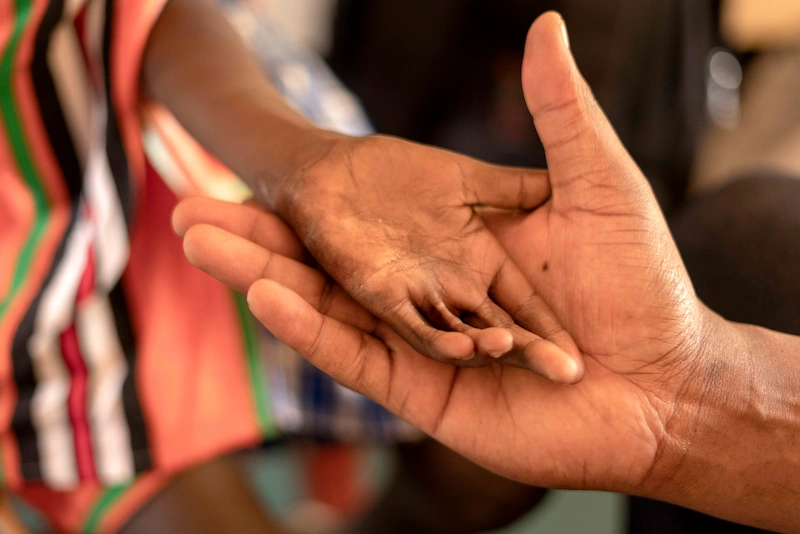
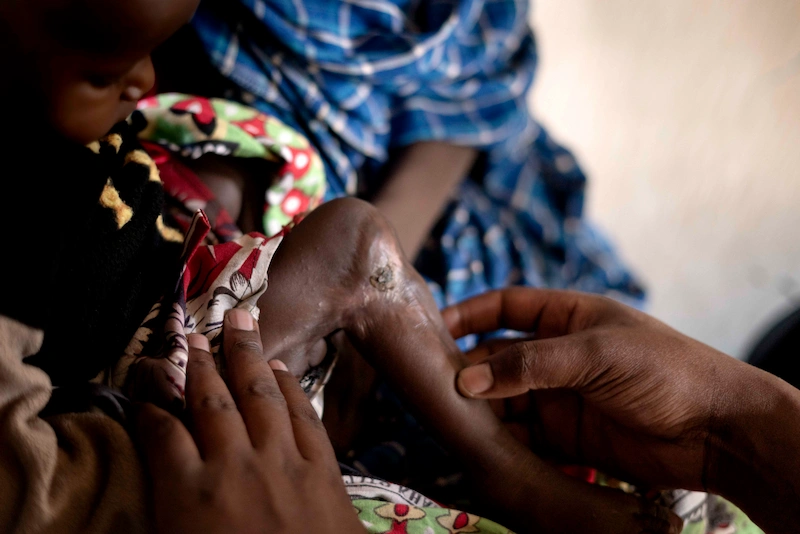
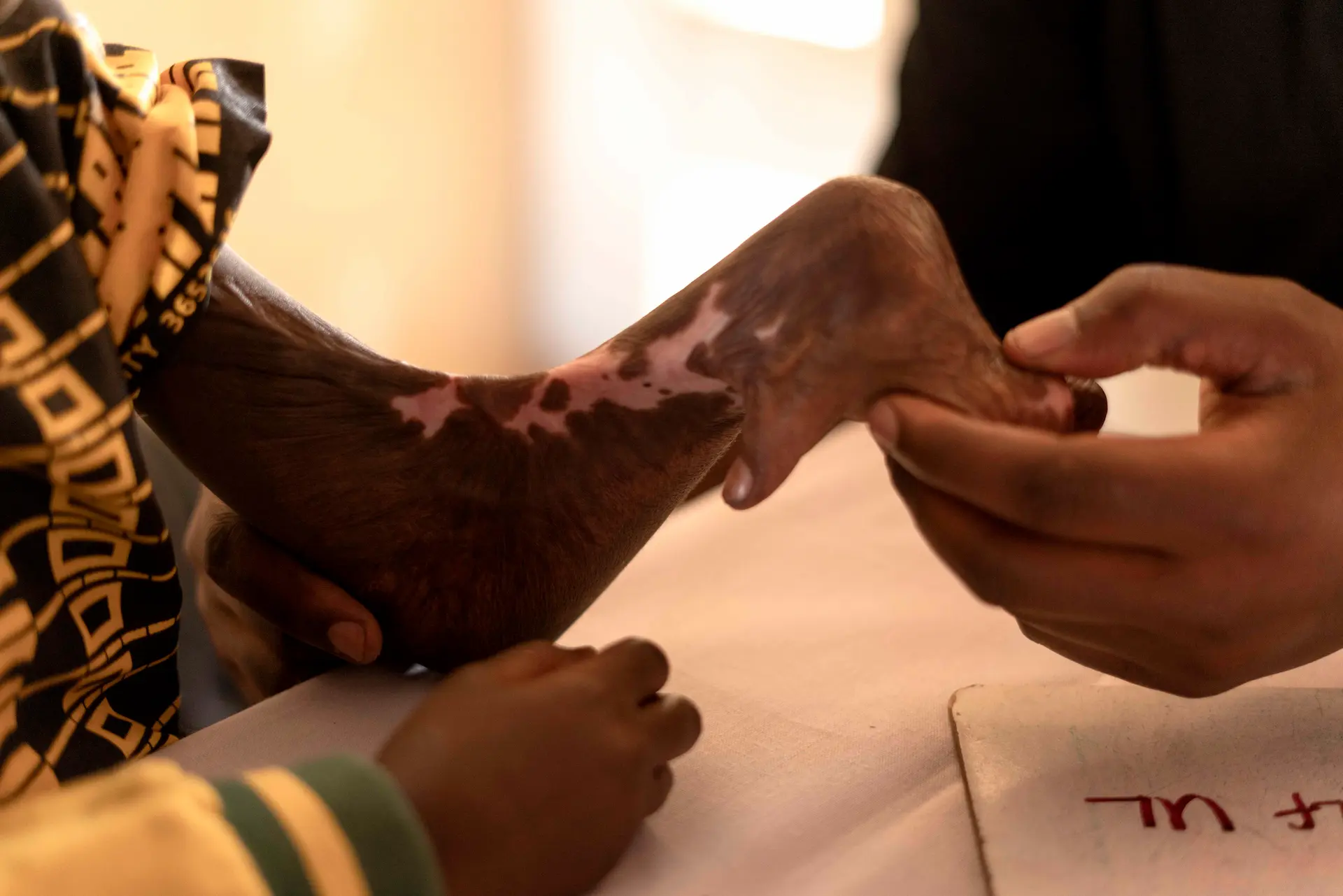
Working in close partnership with Kafika House, the program focused on raising awareness about treatable disabilities, including clubfoot, cleft lip and palate, skeletal fluorosis, burn scar contractures, masses, and osteomyelitis. For many families, this was their first time receiving clear, practical information, understanding what these conditions are, how they can be managed, and, most importantly, that treatment is possible.
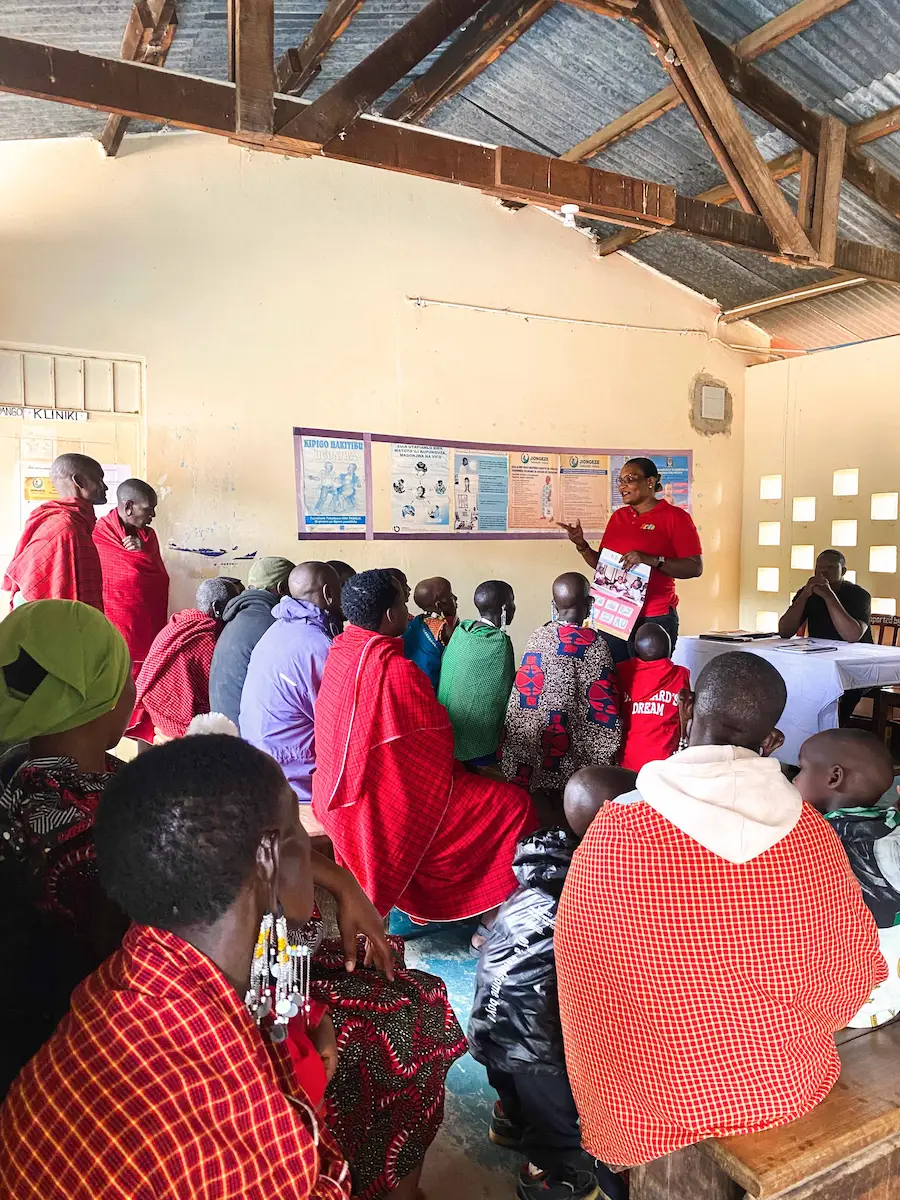
Families arrived in large numbers, many walking long distances in search of answers they had lacked for years. Through direct engagement with the Kafika House team, children received comprehensive assessments, while parents and caregivers were provided with guidance and counseling. In total, 23 patients were screened. Of these, 13 children were referred to Kafika House for specialized care, five children with cerebral palsy were referred to Sibusiso and Monduli for therapy, and others were directed to appropriate health facilities for further management based on their needs.
Importantly, nine children have already begun receiving treatment at Kafika House. marking a critical step toward life changing care and improved quality of life. Beyond clinical services, the outreach reached more than 100 people with key awareness messages on early identification, timely intervention, and the importance of seeking specialized care.
Meeting these children and especially their mothers underscored the urgency of our work. Many of the conditions we encountered could have been treated much earlier, with far better outcomes, if awareness and access had been available at the right time.